
At AWA Environmental, we offer reliable environmental testing services in Wilmington, North Carolina. From mold inspections to VOC testing, we provide a range of services to address environmental concerns in homes and businesses. Whether you’re dealing with mold from humidity or need asbestos testing in an older building, our team has the expertise to help.
Wilmington’s coastal climate can contribute to mold growth. We know how to address the specific environmental challenges in the area.
Our team is trained and certified to conduct comprehensive inspections and provide reliable results.
We offer fast testing and report turnaround, so you can take action quickly.
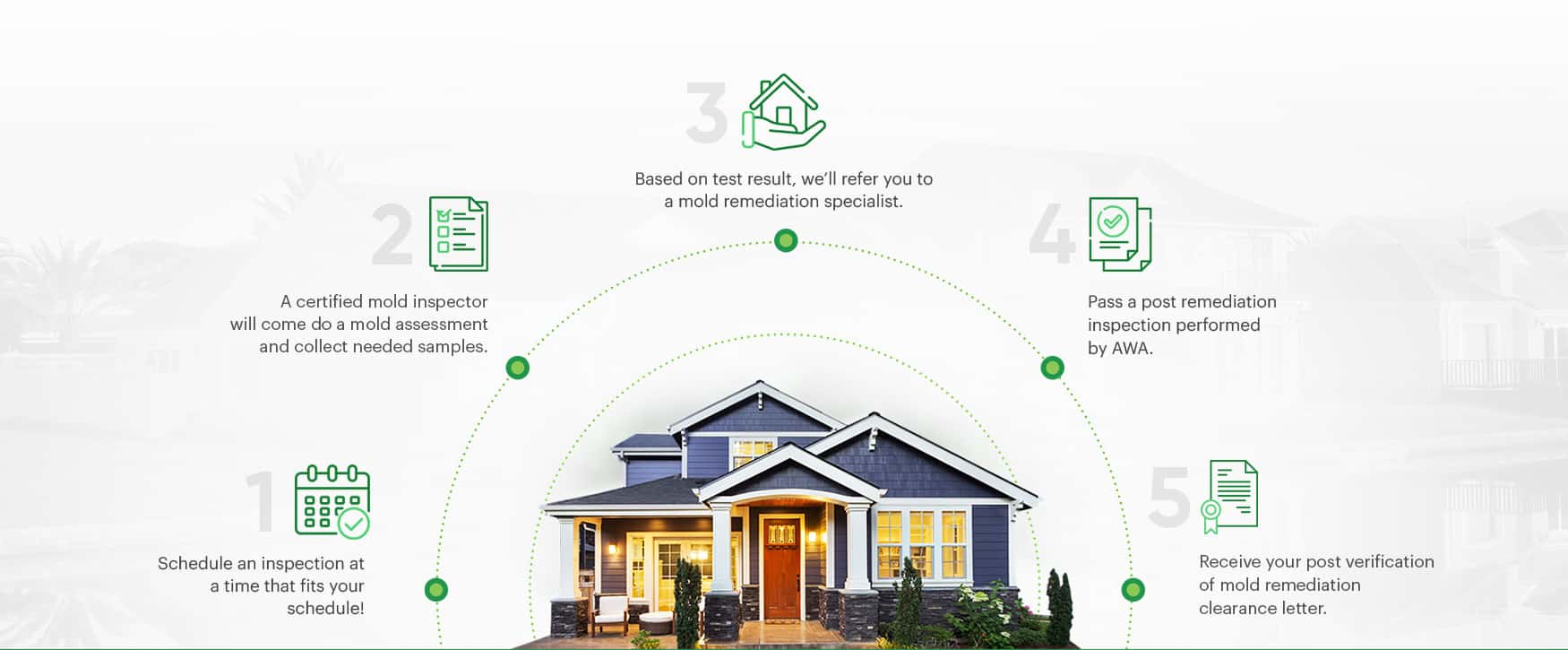
Schedule an inspection at a time that fits your schedule!

A certified mold inspector will come do a mold assessment and collect needed samples.
Based on test result, we'll refer you to a mold remediation specialist.
Pass a post remediation inspection performed by AWA.

Receive your post verification of mold remediation clearance letter.

Protect your home or office with environmental testing services from AWA Environmental. Call or fill out our form to schedule your inspection today.
Wilmington’s humid coastal climate makes mold growth a common issue, particularly in older buildings. Many older homes may also have asbestos in their insulation. AWA Environmental provides mold inspections and asbestos testing to help protect your health and property. We offer reliable results and actionable recommendations to address any environmental concerns you may have.
Wilmington’s humid coastal climate contributes to frequent mold issues. Older properties may also have asbestos-containing materials. AWA Environmental offers professional mold inspections, asbestos testing, and other environmental testing services to help you keep your property safe and healthy.
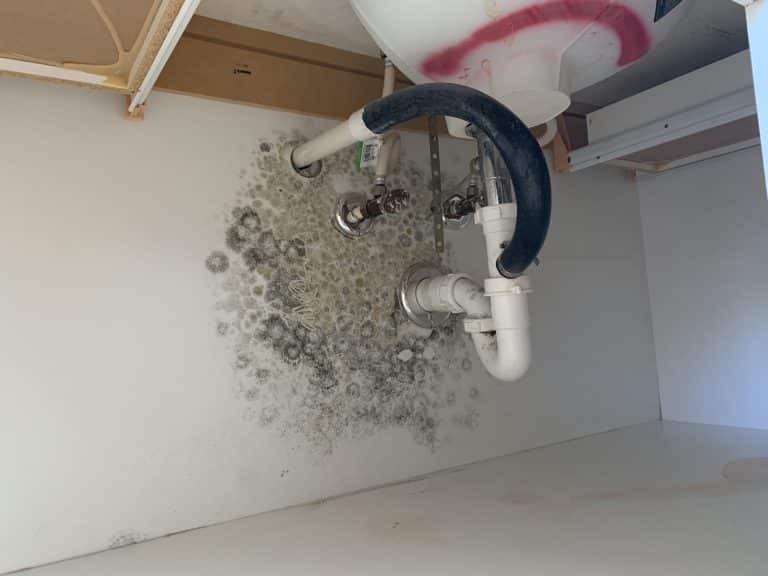
The short answer is moisture. Any water exposed or available in the home can be utilized to grow mold. This can come in the form of humidity or a water leak. Leaks can come from plumbing sources, roofs, or exterior windows and walls. Humidity can become an issue when your home’s HVAC system is not regulating moisture properly. These are only a couple of the common ways moisture is let out in the home for mold to develop, but as inspectors we take great care with inspecting all areas of the home and all possible sources of mold growth.
Musty odors, visible mold growth, water damage, or unexplained allergies can all be signs of a mold problem.
We conduct a visual assessment, moisture readings, air and surface sampling, and provide a detailed lab report with findings and recommendations.
Yes. Air sampling can reveal hidden mold and determine the extent of airborne contamination.
No. We are an independent inspection company, and we do not perform remediation to avoid conflict of interest.
Most of our assessments are non-invasive. In-wall cavity checks can be discussed if needed.
We test for a wide range of mold types including Aspergillus, Stachybotrys (black mold), Cladosporium, and Penicillium.
It is legally required before any renovation or demolition in pre-1980 buildings or when suspect materials are present.
Insulation, drywall compound, floor tiles, ceiling tiles, roofing materials, and pipe wrap.
Generally, it poses a risk when it is damaged or disturbed, releasing fibers into the air.
Yes, popcorn ceilings are one of the most common materials we test for asbestos.
Standard turnaround is 2–4 business days, but rush options are available.
We will provide a detailed report and recommend licensed abatement contractors for removal or encapsulation.
Toxic substances produced by certain molds, especially when growing on building materials or food.
Mycotoxins can remain in dust and surfaces even after remediation, affecting health.
Fatigue, cognitive issues, respiratory problems, headaches, and immune suppression.
7–10 business days, depending on lab processing.
Yes. It’s often recommended for clients with persistent symptoms or mold-sensitive individuals.
No, only certain species produce mycotoxins under the right conditions.
It helps locate hidden water damage and prevent mold before it spreads.
We use moisture meters, thermal imaging cameras, and hygrometers.
No. Moisture mapping is typically non-invasive.
Yes, it’s typically part of a full mold inspection package.
Yes. We use non-invasive tools to detect hidden moisture beneath wood, tile, or carpet.
Yes. Our report includes images, diagrams, and location-specific moisture data.
Volatile Organic Compounds are chemicals that evaporate into the air from various products and materials.
Paints, solvents, flooring, furniture, mold, and cleaning agents.
Headaches, dizziness, respiratory irritation, fatigue, and allergic reactions.
No, it’s a separate service focused on chemical air quality.
Yes, some molds emit MVOCs (microbial VOCs), which can trigger health symptoms.
Absolutely. VOC testing is often used to diagnose air quality for chemically sensitive individuals.
It detects microscopic soot, ash, and combustion residue on surfaces or in the air after fires, furnace issues, or heavy smoke exposure.
After a fire, puffback, furnace malfunction, or if you see black residue or smell lingering smoke.
Yes. It can irritate lungs, trigger asthma, and cause long-term health issues if inhaled.
We collect surface or air samples and send them to a lab to confirm contamination levels.
Often, yes. It provides proof of contamination for fire or smoke-related insurance claims.
Soot comes from combustion and contains harmful compounds. Dust does not.
We have received your submission. One of our experts will be calling you shortly!